
Discover the Legacy of the Blankenship Family
Brandon L. Blankenship: Puzzling Family Pieces Together
Explore the rich history and heritage of the Blankenship family, tracing our roots through generations of stories, achievements, and milestones.
This research is limited to my Blankenship paternal line. Three question marks “???” indicates that information is missing. The tilde “~” indicates an approximation. Names are bolded.
As you scroll down, each section is broken out by century starting in the 1000s all the way down to today at the bottom of the page.
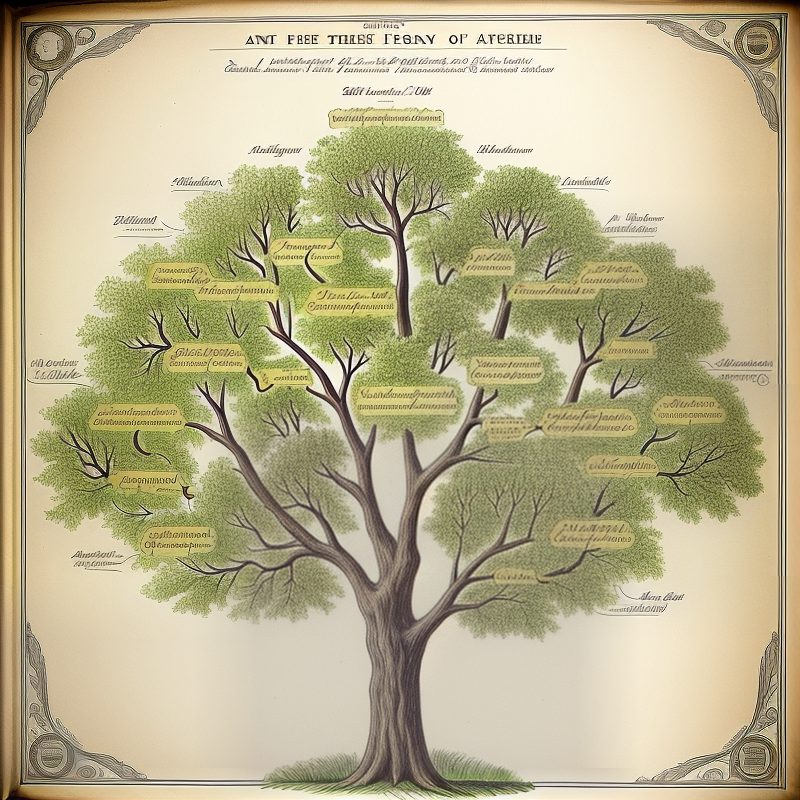
At the end of the Last Glacial Maximum, 12,000 years ago, the sea levels around northern Europe were low enough for Stone Age hunter-gatherers to cross, on foot, into what are now the islands of Great Britain. Farming spread to the islands by about 4,000 B.C., and the Neolithic inhabitants erected their remarkable and puzzling stone monuments, including the famed Stonehenge.
Beginning in about 2,500 B.C., successive waves of tribes settled in the region. These tribes are often termed ‘Celts’, however that term is an 18th century invention. The Celts were not a nation in any sense, but a widespread group of tribes that shared a common cultural and linguistic background.
Originating in central Europe, they spread to dominate most of western Europe, the British Isles and the Iberian Peninsula. Their dominance could not withstand the rise of the Roman Empire, however.
After defeating the Celts of Gaul (modern-day France, Luxembourg, Belgium and western areas of Germany and Switzerland), the Romans invaded the British Isles in 43 A.D. Most of southern Britain was conquered and occupied over the course of a few decades and became the Roman province of Britannia. Hadrian’s Wall, in the north of England, marked the approximate extent of Roman control. Those clans who were not assimilated into the Roman Empire were forced to retreat to other areas that remained Celtic, such as Wales, Ireland, Scotland, the Isle of Man and Brittany. The Roman presence largely wiped out most traces of pre-existing culture in England—even replacing the language with Latin.
Early History
Members of the ancient “Blen clan” are said to have inhabited the land which is now on the border of Scotland and England prior to the Norman conquest.
After the invasion, when land was shared out amongst the Normans no one wanted this particular area so the sitting tenant, Blencan, was allowed to keep it. The land is thought to have once been known as ‘Blencan’s Hope’, meaning valley.
Blencan and Blenkin are sometimes used interchangeably.
1000s
Much of Cumberland, Westmoreland, and Northumberland had been put to ruin by the invading armies of William the Conqueror shortly after 1066 A.D. Many of the villiages in these northern English counties were plundere and burned to the ground to quell any and all insurrections against the rule of William the Conqueror.
Sir Ranulph de Blenkinsopp I b1180 Northumberland, England.
1200s
Sir Randolph De Blenkinsopp, II b1200 New Britain, Ireland
Sometime before 1240 AD those with the Blencan or Blenkin suranme appended the suffix “SOP” which referred to their livelihood. This suffix or terminal syllable meant “wheat sheaves” in Gaelic and Old Norse. “SOP,” when used as a suffix, would indicate that these people were primarily engaged in wheat farming, the principal economic commodity in northern England.
A Ranulph Blenkinsopp was recorded in the Pipe Rolls of Northumberland as owning land in the Haltwhistle area in 1240, and it is thought that he lived in a fortified manor house.
Randolph de Blenkinsopp III b1240 Blenkinsop Castle, Greenhead/Haltwhistle, Northumberland, England.
Randolph de Blenkinsopp III d??? Tindale, Northumberland, England, United Kingdom
1240-1249
Blenkens-hope, Northumberland Co., England
Ranulph Blenkenishope
It was reckoned within the Nicholas de Boltby’s barony of Tindale in the time of Henry the third, and then holden of him by Ranulph de Blenkenishope by the socage tenure of the annual payment of half a mark. (f) Afterwards, the heiress of the Boltbys married Thomas de Multon, lord of Egermont, of whom, and his successors the Lucys, it was holden by the same tenure, and under the description of the monor or fee of Blenkensop.
Rev. Hodgson’s History of Northumberland, Page #128
Blenkens-hope, Northumberland Co., England
Ranulph Blenkonshope
Elizabeth Kardoile, wife of Thomas Blenkinshope
Ranulph de Blenkonshope held the ville of Blenkens-hope of the garony of Nicholas de Bolteby, of Tindale, about the year 1240, and very frequently occurs as a witness of charters respecting Softly, Fetherstanhaugh, Lambley, Wyden Eals, and other Neighbouring places about that period. (j) Alice, Wife of Thomas de Carleton, and Elizabeth Blenkansopp, Daughter of Mary, wife of John Kardoile, and the daughter of Thomas del Recke, are mentioned in a deed without date, and now in the possession of Lord Wallace.
Rev. Hodgson’s History of Northumberland, Page #129
Blenkens-hope Manor, Northumberland Co., England
Ranulph Blenkenshope
Ranulph De Blenkenshope held the of Blenkenshope of the Barooy of Nicholas De Bolteby of Tindale, in 1240 Wife shown as Eva with son Thomas.
Taken from the Blenkensop Castle Tree
Compiled by James W. Blankenship jkblank1(at)sbcglobal.net From: Don Blankenship db452(at)earthlink.net
1300s
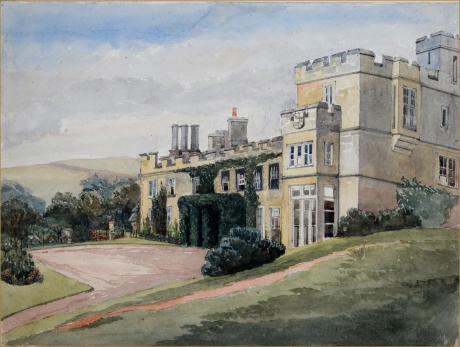
Thomas de Blankenship I b1300 Yorkshire, England.
(“I” is added for clarity but not supported by any paper records.)
The castle is thought to have been built in 1339, and historical documents show that Thomas de Blecansopp was given a licence by King Edward III to crenellate, or fortify, the property in 1340.
Thomas de Blenkinsopp II b1356 Blenkinsopp Castle, Green-Haltwhistle, Northumberland Co, England.
(“II” is added for clarity but not supported by any paper records.)
Thomas de Blenkinsopp I d1388 Greenhead, Northumberland, England.
Robert de Blenkinsopp b1398 Blenkinsopp Castle, Green-Haltwhistle, Northumberland Co, England.
1400s
William de Blenkinsop b1429 Blenkinsopp Castle, Green-Haltwhistle, Northumberland Co, England.
Sir Thomas Blankenship b1460 in Greenhead, Northumberland, England, United Kingdom.
Elizabeth Kardoile b1463.
Sir Thomas Blankenship married Elizabeth Kardoile about 1487, in Northumberland, England.
(They were the parents of at least 1 son.)
Isabella Lee Stanley b1486.
John Blenkinsopp b1488, in Greenhead, Northumberland, England.
(See Carney & Wehofer Family Genealogy Pages)
Sir Thomas Blankenship (29) d1488.
Medieval patriot Bryan de Blenkinsopp was said to have a lust for wealth, and married a French woman who was plain, but possessed a chest of gold so heavy it took 12 men to carry it.
She would not tell Sir Bryan where she and her servants had hidden it, eventually causing him to quit the castle, leaving her behind. Legend has it that, tortured by her actions, she was doomed to haunt the castle, and is known as the White Lady.
1500s
Members of the Blenkinsopp family lived in the castle (a L-plan tower house) for several centuries, but when it began to decay in the 1500s they left for their other properties at nearby Bellister Castle, near Haltwhistle, and Dryburnhaugh, near Greenhead. Mentioned in 1541 as “At Blenkinsoppe ys a toure of thinherytaunce of John Blenkinsoppe & is decayee in the roofe & not in good rep’ac’ons.”
Elizabeth Kardoile d1545.
John Blenkinsopp marries Isabella Lee Stanley about 1558, in England.
(They were the parents of at least 1 son England.)
Sir William Blankenship b1/1560, in Greenhead, Northumberland, England.
John Blenkinsopp (80) d12/26/1568 in his hometown of Greenhead, Northumberland, England.
Isabella Lee Stanley d12/1/1570 buried Melton Mowbray, Leicestershire, England.
Rose Stanley b1580 in Northumberland, England.
Sir William Blankenship married Rose Stanley.
(They had at least 1 son and 2 daughters.)
During the 1500’s, there is evidence of a variation in the spelling of the surname to Blenkinship. The “SHIP” suffix, meaning “sheep” in the Old Norse and Anglo-Saxon languages, would denote those of the “Blenkin” clan who engaged in raising sheep for a living.
Growing wheat and raising sheep were the two primary livelihoods of people living in northern England and southern Scotland since the time of the Roman conquest of this area.
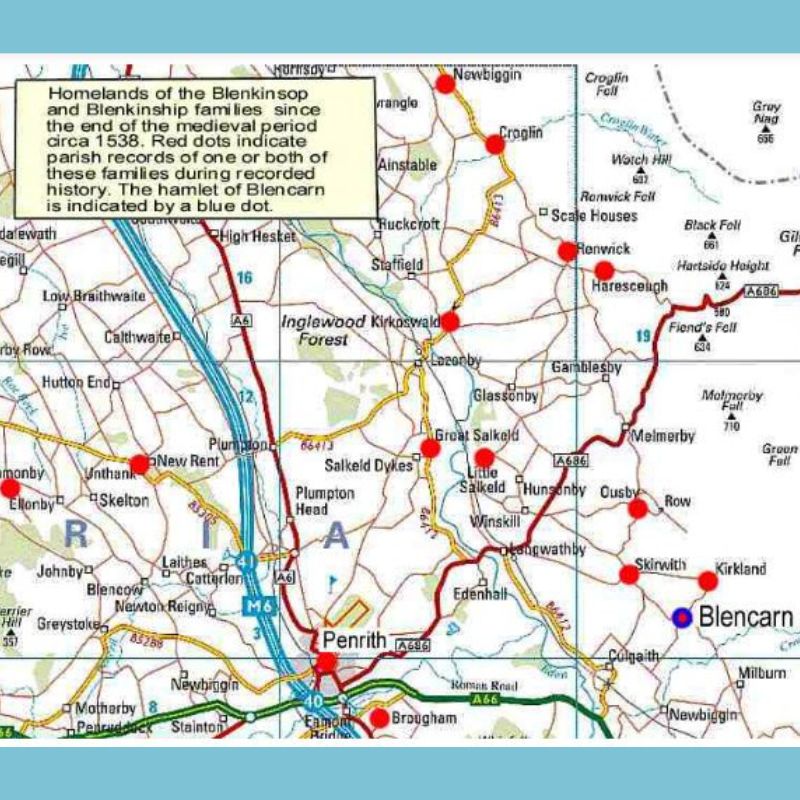
Records of Blankinship appear largely to the west in Cumberland County around Penrith.
1600s
Ralph Blankenship I b1600 in Northumberland, England.
Mary M. Musgrave b1600.
Rose Stanley d1601 in Northumberland, England.
Sir Wiliiam Blankenship (60) d1620 in Haltwhistle, Northumberland, England.
Ralph Blankenship I married Mary M. Musgrave in 1631, in Northumberland, England.
(They were the parents of at least 1 son.)
Ralph Blankenship, II b7/22/1632 in Whickham, Durham, England.
??? Ralph Blankenship, II married Martha Hudson Stanley in 1656, in Chesterfield, Chesterfield, Virginia, United States.
(They were the parents of at least 3 sons.) ???
Ralph Blankenship IV a/k/a Blenkinsopp, IV born ~1660-1662 in Cumberland, England.
Ralph Blankenship, IV was born in County Cambria or County Durham, England. His approximate date of birth is corroborated by a deposition he gave in April 1695 in Henrico County, Virginia where he claimed to be 33 years old (1695-33=1662).
<)- https://www.wikitree.com/wiki/Blankenship-17
Martha Clay born 1662 in Henrico, Virginia, British Colonial America.
Ralph Blankenship I (68) d1668, in Henrico, Virginia, British Colonial America.
Mary M. Musgrave d1670.
Ralph (Blenkinsopp) Blankenship arrived in the colony of Virginia as an indentured servant in 1686 or 1687 (he was about 24 years old) and settled in Henrico County, VA. His name is listed with 90 white persons and 70 Black persons as a headright of Richard Kennon in a pettion for an 8,000 acre land grant.1
Ralph’s sea passage was paid for by Richard Kennon, an English aristocrat and representative to the Virgina House of Burgesses.
During that era these sea passages across the Atlantic typically cost about 30 English pounds. Kennon was a wealthy merchant then living at Bermuda Hundred located about 15 miles south of Richmond.
Ralph presumable became an indentured servant to Kennon for five years. Viginia law dictated that if such servants were under nineteen years of age, they must be brought into Court, to have their Age adjudged; and from the age they are judged to be of, they had to work in servitude until they reached twenty-four. If they were adjudged upwards of nineteen, they were then only to be servants for a term of five years.
Ralph Blankenship, IV married Martha Clay in 1690.
They Henrico, Virginia, British Colonial America. They were the parents of at least 8 sons and 4 daughters.
Mr. Richard Kennon application for patent of 8,000 acres for importing 90 people and 70 Negroes. April 1, 1690.
Henrico Co. Record Book 2
Ralph Blankenship deposed on April 2, 1695 that he was about 33 years of age.
John Buckley “Buck” Blankenship born 9 April 1695
When John Buckley “Buck” Blankenship was born in Chesterfield, Virginia, British Colonial America, his father, Ralph Blankenship, IV, was 35 and his mother, Martha Clay, was 35.
<)- https://www.wikitree.com/wiki/Blankenship-59
A headright is a legal grant of land given to settlers during the period of European colonization in the Americas. A “headright” includes both the grant of land and the owner (the head) that claims the land. The person who has a right to the land is the one who paid to transport people to a colony.
Headrights are most notable for their role in the expansion of the Thirteen Colonies; the Virginia Company gave headrights to settlers, and the Plymouth Company followed suit. Most headrights were for 1 to 1,000 acres (4.0 km2) of land, and were granted to those who were willing to cross the Atlantic and help populate the colonies. Headrights were granted to anyone who would pay for the transportation costs of an indentured laborer. These land grants consisted of 50 acres (0.20 km2) for someone newly moving to the area and 100 acres (0.40 km2) for people previously living in the area. This is consistent with Richard Cannon’s grant as he brought over 160 indendured servants x 50 acres for each one equals 8,000 acres.
By ensuring the landowning masters had legal ownership of all land acquired, the indentured laborers after their indenture period had passed had little opportunity to procure their own land. This kept a large portion of the citizens of the Thirteen Colonies poor and led to tensions between the laborers and the landowners.
***
The Virginia Company founded the first permanent English colony at Jamestown in 1607.
A series of conflicts regarding England’s governance during the years 1642 to 1651 is now known as The English Civil War. Charles I summoned supporters to join him against his enemies in Parliament. In October 1642, nearly 10,000 men fought for Charles I and chased Parliament across the River Tamar. Fighting continued for years and was finally ended at the Battle of Worcester on September 3, 1651, with a Parliamentarian victory.
The Glorious Revolution (1688–1689) brought the downfall of Catholic King James II and the reign of his Protestant daughter Mary and her Dutch husband, William III of Orange.
1700s
First and only evidence of the surnames Blankenship and Blankinship in documented English history.
Elizabeth Hudson born 16 July 1704.
In America, Martha and Ralph Blankenship, IV lived one mile south (SSE) of present-day town of Chesterfield, VA. The children of Ralph became farmers in southern Virginia. (Source: Henrico Co., VA Order Book)
The Henrico County court at Varina, Virginia was located 10 miles northeast of Ralph Blankinship’s homestead near Chesterfield. The Blankinship homestead was just east of Swift Creek near Coldwater Run located one mile SSE of Chesterfield along the old Indian road which today is known as Route 10.
Children of Ralph and Martha:
- Richard
- William
- James
- Ralph
Ralph Blankenship, IV dies 15 April 1714 (age 54)
He died in Henrico, Virginia, British Colonial America. No will has been discovered.
There is a Henrico County court ordered death inventory of Ralph Blankinship’s personal effects published in Col. Leslie Blankinship’s book “The Blankenship Family.”
Ralph Blankenship, II (88) died in 1720, in James City, Virginia, British Colonial America and was buried in Virginia, British Colonial America.
Martha gets 250 acres on the south side of the James River beginning Henry Marshall’s lines to east side of the main road. July 9, 1724
Martha remarries Edward Stanley October 5, 1725. She is widowed again June 5, 1727
Martha Clay Blankenship Stanley dies 1734 in Henrico, Virginia, British Colonial America.
Ralph Blankenship, John Blankenship, and James Blankenship named as heirs in Edward Stanley will (Page 26) and granted three plantations at Coldwater Run 230 acres. July 5, 1726
By 1727 the castle was in ruins, and at around this time the Coulson family from Jesmond took ownership of the estate through marriage.
John Buckley “Buck” Blankenship married Elizabeth Hudson ~1729.
He married in Henrico, Virginia, United States. They were the parents of at least 24 sons and 10 daughters, including Isham Blankenship, Sr.
Sarah Elizabeth Wilkinson b1739
Isham Blankenship, Sr born 1740
When Isham Blankenship, Sr. was born in Chesterfield, Virginia, British Colonial America, his father, John Buckley “Buck” Blankenship, was 45 and his mother, Elizabeth Ann Hudson, was 36.
<)- https://www.wikitree.com/wiki/Blankenship-335
John Buckley “Buck” Blankenship died 9 April 1754 (age 59)
He died in his hometown and was buried in Chesterfield, Virginia, British Colonial America. In his will dated 9 April 1751, among other distributions, ” To my three sons ISHAM, HUDSON and HENRY, 372 acres on Deep Creek, equally divided.”
The French and Indian War (1754–1763) was the North American theater of the worldwide Seven Years’ War, fought between France and Great Britain for control over colonial territories in North America. It was primarily a struggle for dominance over the Ohio River Valley and the broader question of which national culture would dominate the heart of North America. The war concluded with the Treaty of Paris in 1763, where France ceded its territories in North America to Britain, marking the end of French colonial ambitions on the continent. The outcomes of the French and Indian War set the stage for the American Revolution by altering the balance of power in North America and straining British colonial relations.
Isham Blankenship, Sr. married Sarah Elizabeth Wilkinson in 1756
They married in Chesterfield, Virginia, British Colonial America. They were the parents of at least 14 sons and 5 daughters, including William Blankenship, Sr.
William Blankenship, Sr. born 1761
When William Blankenship, Sr. was born in Chesterfield, Virginia, British Colonial America, his father, Isham Blankenship Sr., was 21 and his mother, Sarah Elizabeth Wilkinson, was 22.
At the close of the French and Indian War (1763) Sarah and Isham Blankenship, Sr. moved from Chesterfield, VA to Bedford, VA, along with his Isham’s brother Hudson. Shortly after, they moved their family to Rutherford, North Carolina.
The American Revoutionary War started 19 April 1775 and ended 3 September 1763. Isham served as a private soldier in the Virginia Calvary/Contitntal Army.2
William Blankenship, Sr. married Molly Trent on an unknown date in an unknown location.
Beloved daughter of Frederick and Lydia Trent. Molly was the wife of William Blankenship. Their children were Zachariah Blankenship (1780–1850); Conley Blankenship (1782–1850); Obediah Blankenship (1784–1850); Solomon Blankenship (1786–unk); Henry Blankenship (1790–1865); William Blankenship Jr (1790–1835); William Andrew Blankenship (1790–1879); Virginia Blankenship (1792–1841); Presley Blankenship (1796–unk); Hezekiah Blankenship (1800–1842); Solomon Blankenship (1802–unk); Spencer Blankenship (1804-1880). After Molly’s death in childbirth, William remarried Mary Martha Riggins (1761–1807). They had one son, Isham Blankenship who was born and died with his mother in childbirth. William then married Anna Osborne (1792-1835), and their children were William Blankenship (1808–unk) and Barnett Blankenship (1811–1880). Find a Grave Biography
William Blankenship, Sr. married Mary Martha Riggins in 1779.
They married in Chesterfield County, Virginia, United States and were the parents of at least nine sons and one daughter.
Isham Blankenship, Sr. lived in Franklin, Virginia, United States in 1786.
In June 1781, Lord Cornwallis’ British army was near the Blankinship homestead in Goochland County, Virginia. During the Revolutionary War, British troops destroyed many official records at the Henrico County Court House, which had moved to Richmond in 1752. Benedict Arnold’s army occupied Richmond in January 1781, prompting the Henrico County militia to defend against the invasion. The destruction of these records makes the few surviving documents validating Ralph Blankinship’s immigration to colonial Virginia particularly valuable. Remaining documents confirm Ralph and Martha Blankinship’s residence in Henrico County from about 1686 until Ralph’s death around April 1714.
Elizabeth Hudson 4/29/1789
Hezekiah “Kiah” Blankenship born 1792
When Hezekiah Blankenship was born in Tazewell, Virginia, United States, his father, William Blankenship Sr., was 31 and his mother, Molly (Trent) Blankenship, was 27.
<)- https://www.wikitree.com/wiki/Blankenship-1676#_note-5
In Colonial Virgina men were obligated to serve in the local militia which acted as a defense force protecting settlers from Indian attacks, which were quite common then. These Indian attacks persisted until the early 1760’s when a Viriginia militia force was assembled by the Virginia Governor to fight the Indians that were becoming a serious threat. There is an historical record of Blankenship being called to service in that rather lengthy engagement which preceded the War of Revolution by about 15 years.
In June 1781, Lord Cornwallis‘ British army was near the Blankinship homestead in Goochland County, Virginia. During the Revolutionary War, British troops destroyed many official records at the Henrico County Court House, which had moved to Richmond in 1752. Benedict Arnold‘s army occupied Richmond in January 1781, prompting the Henrico County militia to defend against the invasion. The destruction of these records makes the few surviving documents validating Ralph Blankinship’s immigration to colonial Virginia particularly valuable. Remaining documents confirm Martha and Ralph Blankinship’s residence in Henrico County from about 1686 until Ralph’s death around April 1714.
1800s
Nancy Bowling born 1800
Isham Blankenship, Sr.‘s residence in 1800 was Morgan Rutherford, North Carolina.3
Molly (Trent) Blankenship died 1804 (age 39)
Molly died in Pike, Kentucky, United States and is believed to be the mother of Hezekiah Blankenship.
William Blankenship, Sr. lived in Floyd, Kentucky, United States in 1810 and Chesterfield, Chesterfield, Virginia, United States in 1810.
Isham Blankenship, Sr. died in 1810 (age 70)
He died in Cane Creek, Rutherford, North Carolina, United States and was buried in Blankenship Family Cemetery, Rutherfordton, Rutherford, North Carolina, United States.
An article written by Joseph W. Blankenship in 1917 corroborates Isham’s history. “Isham (or Isum), son of John, son of Ralph the Progenitor, married Sarah and, following his brother, Hudson, moved from the old home in Chesterfield county to Beford county at the close of the French and Indian war (1764) and purchased 570 acres of land “on the ridge between Tomahawk and Ivy creeks” and sold the same for $4,000 in 1779.”
Hezekiah Blankenship married Nancy Bowling 14 September 1815
They married in Tazewell, Virginia, United States. They were the parents of at least 5 sons and 10 daughters, including James Alfred Blankenship, Sr. (1822-1880).
<)- Family tree showing Hezikiah as the father of James Alfred Blankenship, Sr.
Note that Hezekiah Blankenship married Rachel Sanders in approximately 1842. Since James Alfred Blankenshp, Sr. was already born, her history is not included here.
James Alfred Blankenship, Sr. born 1822
(Born in Tazewell, Virginia, United States.)
(“Sr.” designation for clarity only. It is not found in the paper records.)
Sarah Elizabeth Wilkinson died 1826
Hezekiah Blankenship lived in Halifax, Virginia, United States in 1830.
William Blankenship, Sr. died 6 July 1835 (age 74)
He died in Morgan, Kentucky, United States and was buried in Pike, Kentucky, United States.
Hezekiah Blankenship lived in North District, Halifax, Virginia, United States in 1840.
Floyd Walter Blankenship married Linda Bert Brown, married 1877.
They had at least 7 sons and 2 daughters, including James Alfred “Jim” Blankenship.
Nancy Bowling died 1842
James Alfred Blankenship, Sr. married Mary Mullins about 1843, in Tazewell, Virginia, United States. “Sr.” not found in the records, it is added for clarity.
They were the parents of at least three sons and four daughters including James Alfred Blankenship, Jr. (“Jr.” is not found in the records but is added for clarity).
James Alfred Blankenship, Jr. born 9 June 1844 in Kentucky
“Jr.” is not found in the paper records but is added for clarity.
James Alfred Blankenship, Sr. lived in Wyoming, Virginia, United States in 1860. ???
The American Civil War, fought from 1861 to 1865, was a pivotal conflict in United States history between the Northern states (the Union) and the Southern states that seceded to form the Confederate States of America. The conflict began in earnest when Confederate forces fired on Fort Sumter in South Carolina on April 12, 1861. Over the next four years, the war saw numerous battles and significant loss of life, with approximately 625,000 soldiers dying, making it the deadliest conflict in American history.
Hezekiah Blankenship died 1863 (age 71).
Hezekiah served as a Private in the 8th Volunteer Cavalry, Confederate Army, in the U.S. Civil War. He was killed in action on October 10, 1863, and was buried in the Memphis, Tennessee National Cemetery. See also, Civil War Roll of Honor.
James Alfred Blankenship, Jr. married Elizabeth Catherine Martin about 1868.
James Alfred Blankenship, Sr. lived in West Virginia, United States in 1870. ???
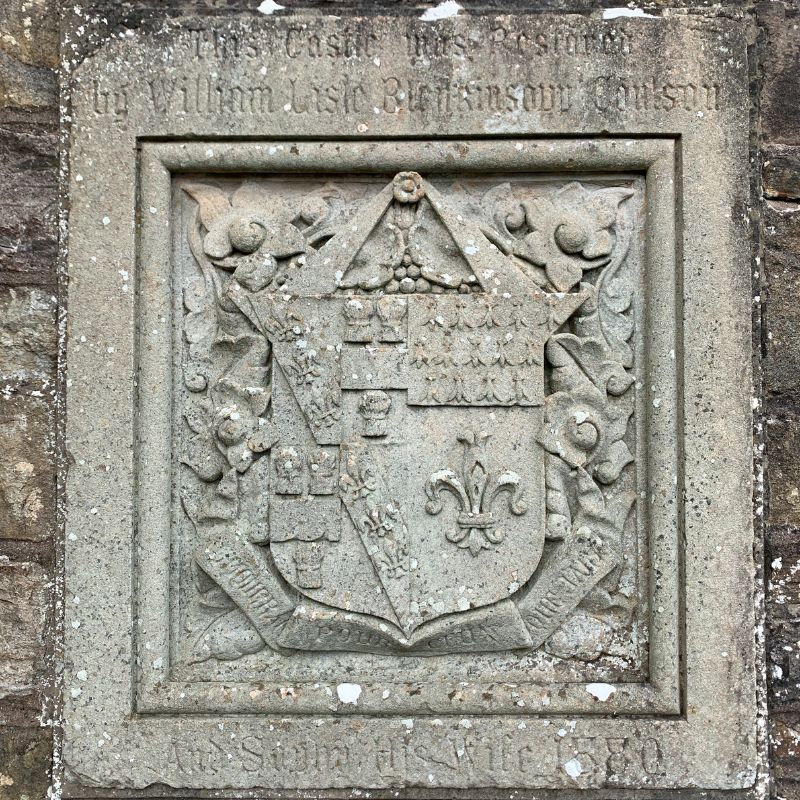
The Blenkensopp “castle” was enlarged and partly rebuilt in Tudor style between 1877-80.
Floyd Walter Blankenship born 20 May 1880
(Born in Cullman, Alabama, United States to father James Alfred Blankenship, Jr. (24) and mother Sarah Ann Barnes (23)).
Alabama Blankenship Records
James Alfred Blankenship, Sr. death 1 June 1880 (age 58)
(Died in Raleigh, West Virginia, United States.)
A new house was built on the “Castle” site in the 1830s and the castle was rebuilt between 1877 and 1880 as a mansion, before it became a hotel.
The Border tartan gained popularity in the 1820s, with figures like Sir Walter Scott, James Hogg, Henry Scott Riddell, and Robert Burns contributing to its fashionability. It has been worn by retainers of the House of Percy and was adopted as the official tartan of the Duke of Northumberland’s piper in 1760. The tartan is also the official plaid for pipers of the Northumberland Fusiliers and is commonly worn by Northumbrian pipers today.
The Border tartan, also known as the Northumbrian tartan, or Northumberland tartan, is a design associated with the Anglo-Scottish Border region, particularly the Scottish Borders and Northumberland. It is also referred to as shepherds’ plaid, shepherds’ check, Border drab, or Border check. This tartan is characterized by a simple crossweave of small dark and light checks, making it much plainer than the more elaborate Scottish tartans.
Historically, the Border tartan was made using untreated sheep’s wool for the light squares and wool dyed with simple vegetable dyes, such as alder bark or water flag, for the darker squares. Modern versions typically feature a bold black and white check pattern. However, historically, the light squares were a yellowish color of untreated wool, and the dark squares could be a range of dark greys, blues, greens, or browns, leading to the name “Border drab.”
Fragments of similar tartans have been found in Great Britain and Jutland, indicating the antiquity of this design. Notably, a fragment known as the Falkirk tartan or Falkirk sett was discovered at the Antonine Wall in Falkirk, Scotland. This fragment dates back to Roman Britain times, around the 3rd century AD, and is considered more of a tweed than a tartan in weaving style. It is preserved in the National Museum of Scotland.

1900s
Leroy Bennett Blankenship born 31 July 1901
When Leroy Bennett Blankenship was born in Cullman, Alabama, United States, his father, Floyd Walter Blankenship, was 21 and his mother, Linda Bert Brown, was 20.
<)- https://ancestors.familysearch.org/en/LRQJ-3WF/leroy-bennett-blankenship-1901-1990
Dontis Marie Morgan born 1905
She was the daughter of Mr. and Mrs. George S. Morgan.
Dontis Morgan and Leroy B. Blankenship married 22 April 1921
“L.B.” is on Leroy Jr.’s birth certificate, “Leroy B.” is on Leroy Jr.’s marriage certificate.
Leroy Singleton Blankenship born 30 November 1924
He was born in New Castle, Jefferson County, Alabama.
Victoria Collins and Leroy B. Blankenship married 9 August 1926
They married in Winchester, Clark, Kentucky, United States. They were the parents of Roy who was born 22 June 1928 and died 20 August 1946 (18 years old); Ella Louise Blankenship (below) and Betty Mae Blankenship (1930-2006).
Ella Louise Blankenship born 23 May 1927
Daughter of Victoria Collins and Leroy B. Blankenship
(Leroy Singleton Blankenship half-sister)
James Alfred “Jim” Blankenship died 12 July 1932 (age 76)
Grave Marker Mount Zion Methodist Church Cemetery, Cullman, Cullman County, Alabama, United States
The father of James Alfred Blankenship is still a mystery.
Daniel Turney left Sarah Vest and his Turney children around 1855-1856 and went west to Arkansas and Kansas. Any children attached to him after that time are suspect. Sarah Vest Turney had several children with the Blankenship last name and some had the Turney last name in earlier census records (1860 and 1870) but it is supected that these children were biological Blankenships and possibly belonged to one of her cousins who was killed in the Civil War.
James Alfred Blankenship married the niece of Daniel Turney, Sarah Ann Barnes. So that confuses the DNA matches to his descendants. DNA evidence from the Blankenship family suggests he was a Blankenship. Maybe Sarah’s illegitimate pregnancy with him is what broke up her marriage to Daniel Turney?
Floyd Walter Blankenship died 14 September 1937 (age 57)
Grave Marker Hanceville, Mount Zion Methodist Church Cemetery, Cullman, Cullman County, Alabama, United States
Dontis Morgan Blankenship death 10 August 1935 (aged 29-30)
(Buried Macedonia North Cemetery, Shelby County, Alabama, USA)
<-) Rites Set for Victim, Slayer
Leroy Blankenship (15) listed in the 1940 Census, Precinct 42, Jefferson County, Alabama in the home of Erma (33) and Reed (32) Morgan (Son of Leroy B. Blankenship & Dontis Marie Morgan
Lee “Roy” Blankenship died 20 August 1946
Roy Blankenship lived in Magisterial District 3, Jefferson, Kentucky, United States in 1940. He died in Louisville, Jefferson, Kentucky, United States, at the age of 18, and was buried in Walnut Ridge Cemetery, Jeffersonville, Jeffersonville Township, Clark, Indiana, United States. He shares a grave marker with Leroy B. Blankenship and Victoria Collins Blankenship. I have not been able to find any records about Roy. Since it was common for young boys to serve in the military during World War II, I wonder if he might have died while in the military.
The “castle” building burned down in 1954 and although it was rebuilt, some of the ruins attached to the house had to be demolished as they were unsafe.
Ella Louise Blankenship Stackhouse died 23 Apr 1960 (aged 32)
Indianapolis, Marion County, Indiana, USA
<)- Obituary
Brandon Lee Blankenship born 1966
Birmingham, Alabama
Leroy Bennett Blankenship death 20 August 1990
Grave Marker (buried in Walnut Cove Cemetery in 2421 Hamburg Pike, Jeffersonville, IN 47130)
Shares grave marker with Roy and Victoria Collins Blankenship
He lived in Magisterial District 3, Jefferson, Kentucky, United States in 1940 and Indianapolis, Marion, Indiana, United States for about 1 years. He died on 20 August 1990, in Marion, Indiana, United States, at the age of 89, and was buried in Walnut Ridge Cemetery, Jeffersonville, Jeffersonville Township, Clark, Indiana, United States.
Victoria Collins Blankenship death 12 May 1997 (aged 93)
Grave Marker (buried in Walnut Ridge Cemetery Jeffersonville, Clark County, Indiana, US)
Shares grave marker with Roy and Leroy B. Blankenship
Leroy Singleton Blankenship death 20 May 2003
<)- Obituary
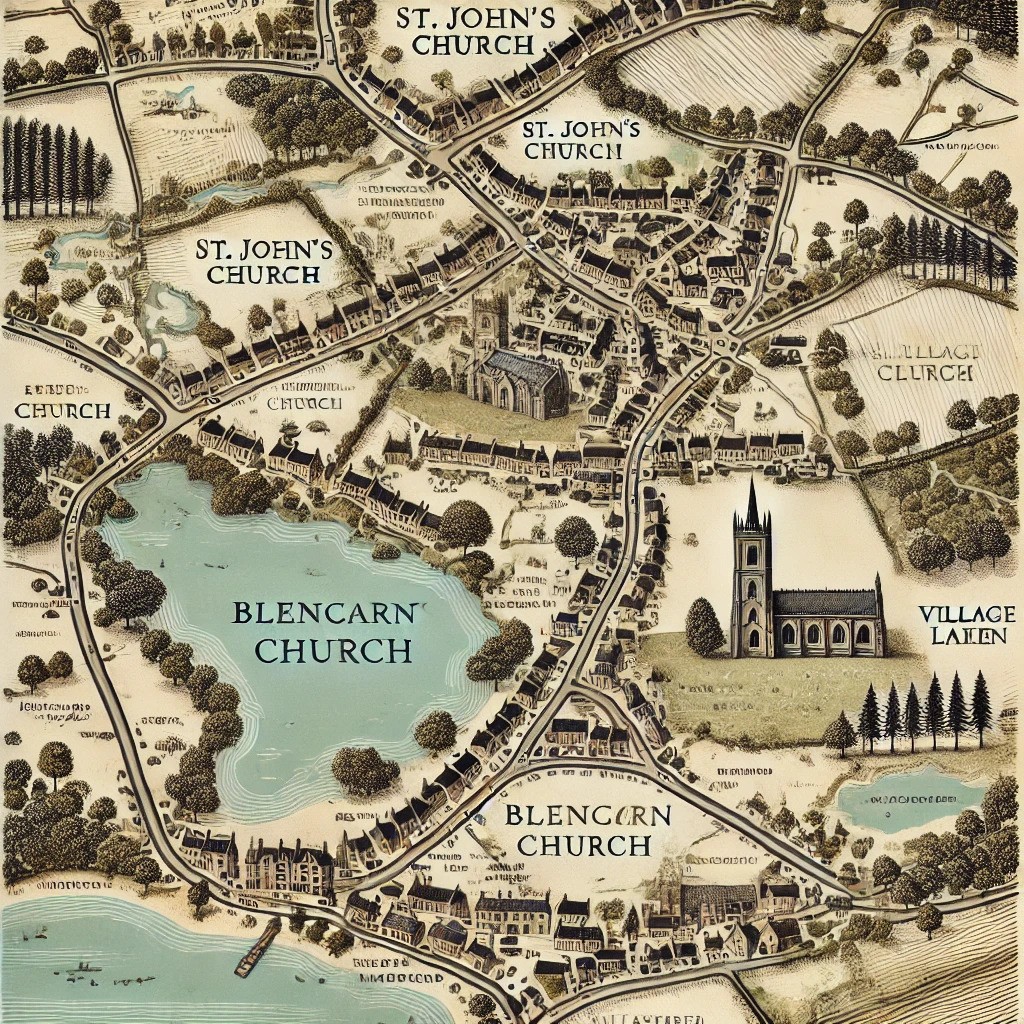
The Blankenship Name
The original spelling of Blankenship was Blenkinsopp which seems to originate in the early medieval Cumbric language, probably as blaen ‘top’ + kein ‘back, ridge’ (thus ‘top of the ridge’). To this was later added the Old English element hop ‘valley’.
Blenkinsopp Castle
The ancient manor of Blenkinsopp was held by the eponymous Blenkinsopp family from the 13th century, and they created a substantial tower house. A licence to crenellate the house was granted on 6 May 1340 by King Edward III.
Family Milestones
Throughout the years, the Blankenship family has celebrated numerous milestones. From significant achievements to memorable events, these moments have defined our family’s journey and legacy.
Explore Our Family’s Journey
Blankenship Family Gallery
Discover Your Heritage
Unlock the mysteries of your ancestry with Brandon L. Blankenship. Dive deeper into our extensive genealogy resources or reach out for personalized assistance. Together, we can piece together your family’s history.